
Is James Hardie Siding Actually Worth the Extra Money?
Replacing your home's siding is a significant investment, and choosing between premium vinyl and James Hardie fiber cement siding can be difficult. Both materials offer attractive finishes, dependable protection, and long service lives. However, their upfront costs and long-term maintenance requirements differ.
Is James Hardie siding worth the extra money? For homeowners planning to stay in their homes for decades, its durability, fire resistance, and authentic wood-look aesthetics can justify the higher price. Premium vinyl siding remains an excellent alternative for homeowners who want an attractive, affordable exterior with minimal upkeep.
Understanding the differences between these materials can help you decide which exterior upgrade makes the most financial and practical sense for your Southeastern Pennsylvania home.
What Is Hardie Board Siding & How Does It Compare to Vinyl?
The primary difference between fiber cement siding and vinyl is the material used to manufacture each product.
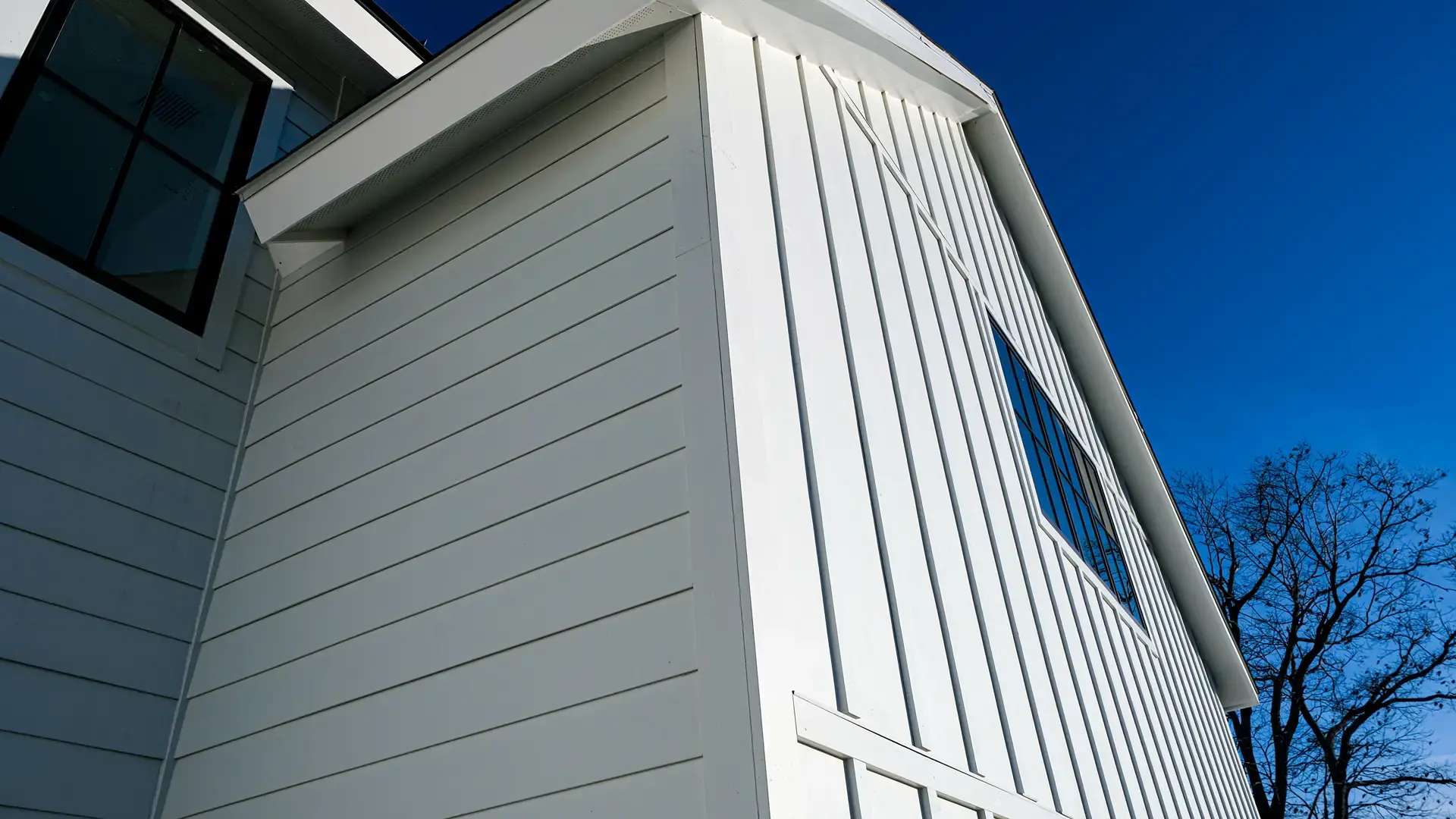
James Hardie fiber cement combines cement, sand, cellulose fibers, and water to create durable siding that resembles traditional wood. Hardie Board siding is available in lap, vertical panel, and shingle-style profiles that complement various architectural styles.
Vinyl siding is manufactured primarily from polyvinyl chloride (PVC). It comes in numerous colors, textures, and profiles, including traditional horizontal clapboard and decorative shake styles.
Both materials protect your home's exterior, but they differ in weight, installation requirements, fire performance, and maintenance needs.
Premium Vinyl Siding: Affordable Protection With Minimal Maintenance
Premium vinyl siding offers a practical balance of appearance, durability, and affordability. Modern vinyl products can replicate the texture of painted wood while eliminating the need for routine repainting.
Its advantages include:
- Lower upfront investment - Vinyl typically costs less to purchase and install than fiber cement.
- Minimal maintenance - Occasional washing removes dirt, pollen, and mildew without requiring painting.
- Color retention - Many premium products include fade-resistant formulations that help preserve their appearance.
- Energy efficiency options - Insulated vinyl siding incorporates foam backing that can improve thermal performance when properly installed.
Vinyl isn't completely maintenance-free. Extreme impacts can crack panels, excessive heat can cause distortion, and lower-grade products may experience noticeable color fade. However, premium vinyl remains an attractive option for homeowners seeking dependable performance without the expense of fiber cement.
James Hardie Siding: Long-Term Durability & Architectural Appeal
James Hardie siding appeals to homeowners who prioritize longevity, structural performance, and a refined exterior appearance. Unlike vinyl, fiber cement is non-combustible and won't melt when exposed to heat. Its cement-based composition also resists damage from termites and other wood-destroying pests.
Additional benefits include:
- Exceptional durability - Fiber cement resists many common forms of weather-related damage, including impacts and moisture exposure when properly installed.
- Wood-look aesthetics - Defined edges and textured surfaces closely resemble traditional painted wood siding.
- Pest resistance - The material doesn't provide a food source for termites or carpenter ants.
- Design versatility - Lap siding, board-and-batten panels, and shingle profiles suit everything from historic colonials to contemporary homes.
James Hardie also offers ColorPlus® Technology, a factory-applied finish designed to provide lasting color retention.
For Southeastern PA homeowners, fiber cement can be especially appealing because it handles seasonal temperature changes, humid summers, and winter precipitation without the same expansion and contraction characteristics as vinyl.
How Much Does Hardie Board Cost Compared to Premium Vinyl?
James Hardie siding generally costs more than premium vinyl because the material is heavier, its manufacturing process is more involved, it’s more labor-intensive to install, and it requires specialized installation techniques.
Exact pricing depends on your home's size, architectural complexity, existing siding removal, trim details, and the products selected. Rather than comparing installation prices alone, consider the long-term ROI of each material.
Does Fiber Cement Siding Increase Home Value?
Fiber cement siding can improve resale appeal, particularly when buyers value durable materials and traditional architectural details. However, neither material guarantees a specific return on investment. Local housing conditions, installation workmanship, and the home's overall condition influence resale value. Premium vinyl can also deliver strong value because its lower initial cost leaves more room in your remodeling budget.
If you're improving a home you expect to sell within several years, premium vinyl may be the more economical choice. For a forever home, James Hardie's longevity and appearance may justify the additional investment.
Which Siding Requires Less Maintenance?
Both materials are relatively easy to maintain, but their long-term needs differ.
Premium Vinyl
Wash periodically, inspect for loose panels, and replace damaged sections when necessary. Repainting generally isn't required.
James Hardie Fiber Cement
Clean periodically, inspect caulking and flashing, and repaint when the finish eventually requires renewal. Factory-finished products may offer longer repainting intervals.
Fiber cement's lifespan can exceed several decades with proper installation and maintenance. Premium vinyl can also last for decades, although performance varies by product and exposure. Neither material is entirely maintenance-free, and both benefit from periodic inspections.
Why Professional Installation Matters for James Hardie Siding
Fiber cement has more demanding installation requirements than vinyl. Its weight, fastening specifications, cutting procedures, and moisture-management details require specialized training. Installers must maintain proper clearances around roofing, decks, and landscaping. Flashing, water-resistive barriers, and correctly installed trim help prevent moisture from reaching the wall assembly.
At Impriano Roofing & Siding, we understand how siding systems interact with windows, doors, roofing, and other exterior components. Our dedicated exterior specialists help homeowners compare materials while accounting for architectural details and installation requirements.
Find the Right Siding for Your Southeastern PA Home
Choosing between James Hardie siding and premium vinyl depends on your budget, design preferences, and long-term plans. Impriano Roofing & Siding brings more than 50 years of exterior remodeling experience to Southeastern Pennsylvania homeowners. We offer both premium vinyl and fiber cement siding options.
Our focus is on flawless installation services, generous warranties, and frequent special offers that help make exterior improvements more affordable.
Schedule Your Free Exterior Design Consultation
Ready to compare siding materials in person? Impriano Roofing & Siding offers free, no-pressure exterior design consultations, and our specialists can walk you through our premium vinyl and James Hardie fiber cement siding options.
Call Impriano Roofing & Siding today to schedule a consultation at your Southeastern PA home.
Our Trusted Affiliates and Partners


