
Understanding the Differences Between Gable & Hip Roofs
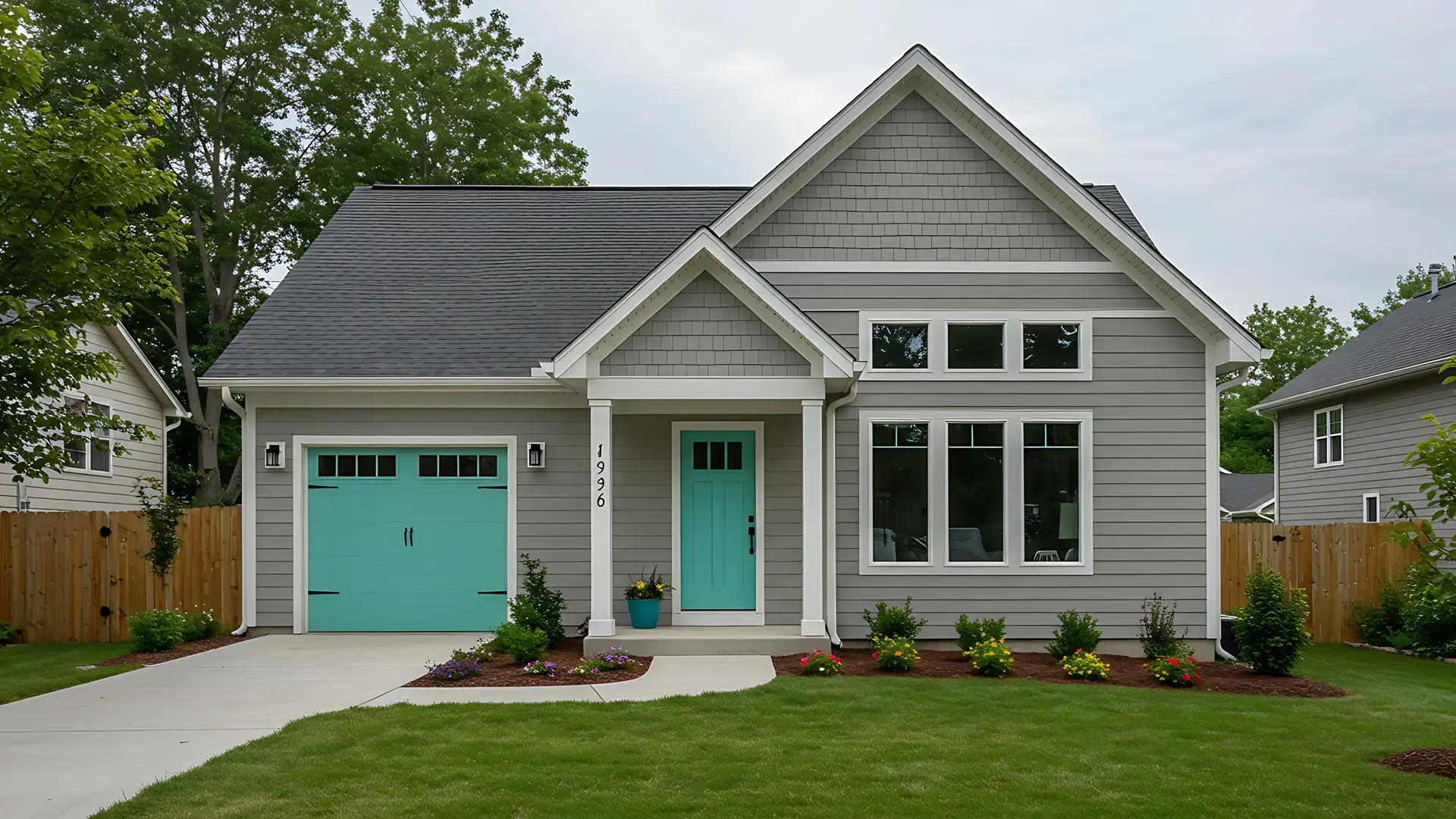
Your roof’s shape does more than define your home's appearance. It affects how rain drains, how snow accumulates, how well your home handles strong winds, and how much usable space you have in your attic. Two of the most common residential roof designs are gable and hip roofs, each offering distinct advantages.
The main difference between a hip and gable roof is the number of sloping sides. A gable roof has two sloping surfaces that meet at a ridge, creating triangular walls at each end. A hip roof slopes downward on all four sides, typically meeting at a ridge or central peak.
When comparing a gable vs. hip roof, understanding how these designs perform in Southeastern Pennsylvania's changing weather can help you make informed decisions about renovations, additions, and future roof replacements.
Gable Roofs: More Attic Space & Simpler Roof Construction
Gable roofs are common on traditional colonials, Cape Cod homes, and other architectural styles throughout Southeastern PA. Their recognizable triangular shape offers practical benefits beyond curb appeal.
Advantages of Gable Roofs
- More attic space - The triangular design generally creates more usable space beneath the roof, especially near the center of the home.
- Simpler attic ventilation - Gable-end vents can supplement properly designed soffit and ridge ventilation systems.
- Efficient water runoff - The two sloping surfaces direct rainwater and melting snow toward the eaves and gutters.
- Lower installation costs - Straightforward framing and fewer roof intersections often make gable roofs less expensive to shingle than comparable hip roofs.
Potential Drawbacks of Gable Roofs
The vertical gable ends can experience significant wind pressure during severe storms. If the roof framing, connections, or gable-end bracing are inadequate, strong winds may damage these exposed areas.
Roof pitch also matters. Steeper gable roofs generally shed snow more readily than shallow-pitched designs, although snow accumulation depends on temperature, roof geometry, and other conditions.
Hip Roofs: Strong Wind Resistance & Four-Sided Drainage
Hip roofs feature slopes on every side, eliminating the large triangular end walls found on gable roofs. This design is common on ranch-style homes, traditional residences, and certain colonial-inspired properties.
Advantages of Hip Roofs
- Better wind resistance - Their sloping sides can reduce wind pressure compared with exposed gable ends, particularly when the framing and connections are properly engineered.
- Drainage on all sides - Rainwater and melting snow flow toward gutters around multiple sides of the home.
- Balanced appearance - The symmetrical roofline complements several residential architectural styles.
- Structural stability - A properly designed hip roof can distribute wind forces effectively through its framing system.
Potential Drawbacks of Hip Roofs
Hip roofs typically require more complicated framing, additional material cuts, and specialized installation techniques. Their sloping surfaces also reduce usable attic space near the perimeter.
Depending on the layout, hip roofs may contain valleys where two roof sections meet. These intersections concentrate water runoff and require careful underlayment and flashing installation to prevent leaks.
Attic ventilation can also be more challenging because hip roofs often have shorter ridges and limited space for conventional ridge vents. Properly sized intake and exhaust ventilation must account for the roof's geometry.
Gable vs. Hip Roof: Which Performs Better in PA Weather?
Here's how the two designs compare under common Southeastern PA weather conditions:
High Winds
- Gable Roof - Exposed gable ends need secure bracing to withstand strong winds.
- Hip Roof - Sloped sides generally improve wind resistance.
Heavy Snow
- Gable Roof - Steeper roof pitches help snow slide off more easily.
- Hip Roof - Snow performance depends on roof pitch and structural design.
Heavy Rain
- Gable Roof - Rainwater drains down two main roof surfaces.
- Hip Roof - Rainwater drains toward multiple sides of the home.
Ice Dams
- Gable Roof - Ice dams can form along poorly insulated or ventilated eaves.
- Hip Roof - Ice dams can develop along eaves and complex roof intersections.
Attic Ventilation
- Gable Roof - Often easier to ventilate using soffit, ridge, or gable vents.
- Hip Roof - May require specialized vent placement due to shorter ridge lengths.
Both designs need effective attic insulation, ventilation, and water-management systems to handle Pennsylvania's freeze-thaw cycles.
How Do Dormers Affect Gable & Hip Roof Designs?
Dormers extend outward from a sloping roof to add windows, natural light, and sometimes usable interior space. They are especially common in finished attics and upper-story renovations.
Different types of dormers can complement either roof style. Gable dormers feature a small triangular roof, while shed dormers have a single sloping surface that can create additional headroom. Hip dormers use three sloping sides to match the appearance of a hip roof.
However, dormers also create roof-to-wall intersections that need precise flashing. Poorly installed flashing around dormer sidewalls and windows can allow water to enter the home.
Is a Hip Roof More Expensive to Replace Than a Gable Roof?
A hip roof is often more expensive to replace than a similarly sized gable roof because its geometry can require more labor, material cuts, and attention to hips, valleys, and flashing details.
A gable roof typically has larger, uninterrupted surfaces that are easier to measure and shingle. Hip roofs may require additional ridge and hip cap shingles, depending on their design.
At Impriano Roofing & Siding, we understand that roof shape is only one factor in planning a successful roof replacement. Our roofing specialists evaluate ventilation, drainage, flashing, and existing roof conditions before recommending an installation approach.
Professional Gable & Hip Roof Replacement in Southeastern PA
Whether your home has a traditional gable roof or a complex hip roof, Impriano Roofing & Siding brings more than 50 years of exterior remodeling experience to your project. We’re a CertainTeed ShingleMaster™ PREMIER roofing contractor, reflecting our commitment to specialized roofing expertise. Our crews understand the flashing and ventilation requirements of both designs.
At Impriano Roofing & Siding, we emphasize flawless installation services, generous warranties, and frequent special offers. We also provide guidance tailored to your home's architecture and roofing needs.
Schedule a Roof Inspection Today
Ready to replace your roof? Contact Impriano Roofing & Siding to schedule a consultation at your home. Our team can assess your existing roof and recommend a solution suited to your home and the Southeastern PA climate.
Our Trusted Affiliates and Partners


